21
Jun
2026
Smart Kitchen Appliances Transforming Modern Homes
The modern home is evolving rapidly, driven by technological innovation, connected living, and changing consumer expectations. Among the many advancements shaping contemporary lifestyles, Smart Kitchen Appliances are emerging as one of the most influential developments in residential technology. Today’s consumers are looking for convenience, efficiency, automation, and greater control over everyday household activities, and the kitchen has become a key focus area for this transformation.
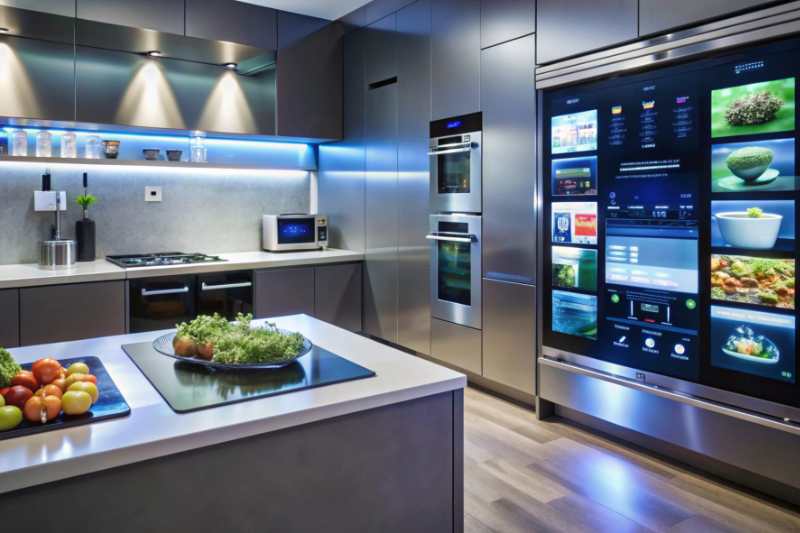
From intelligent refrigerators and app-controlled ovens to AI-powered cooking assistants, smart cooking appliances are redefining how people prepare, store, and manage food. At the same time, modern Kitchen Appliances are becoming increasingly connected, energy-efficient, and user-centric, helping homeowners create smarter, more functional living spaces that align with the demands of modern life.
The Growing Role of Advanced Kitchen Technology in Modern Living
Technology has transformed nearly every aspect of daily life, and the kitchen is no exception. As homes become more connected, consumers are increasingly seeking solutions that simplify routine tasks while improving efficiency and convenience.
Smart Kitchen Appliances are designed to automate processes, provide real-time insights, and enhance overall kitchen functionality. Unlike conventional equipment, these appliances integrate advanced technologies that allow users to monitor and control operations remotely, making everyday cooking and food management significantly easier.
The growing adoption of intelligent home technologies is encouraging homeowners to view kitchens not merely as cooking spaces but as connected environments that contribute to a smarter lifestyle.
Changing Consumer Expectations
Consumer preferences are evolving rapidly, particularly among technology-conscious households. Modern buyers expect convenience, personalization, and seamless integration across devices. As a result, modern smart cooking solutions are becoming increasingly attractive because they align with the growing demand for connected experiences and intelligent automation within the home.
The Shift Toward Connected Homes
The expansion of smart home ecosystems has accelerated interest in advanced culinary appliances. Consumers now expect appliances to communicate with other devices, respond to voice commands and deliver greater control through mobile applications. This shift is transforming the role of the kitchen from a standalone space into an integrated component of a connected home environment.
Key Features Driving the Popularity of Advanced Kitchen Technology
The increasing adoption of intelligent kitchen technologies is largely driven by the features they offer. Modern consumers are looking beyond basic functionality and focusing on solutions that improve efficiency, convenience, and user experience.
Remote Monitoring and Control

One of the most appealing aspects of Smart Kitchen Appliances is the ability to manage them remotely. Through smartphones and connected applications, users can monitor appliance status, adjust settings, and receive notifications from virtually anywhere. This level of control allows homeowners to manage daily tasks more efficiently while reducing the need for constant manual supervision.
Voice Integration and Automation

Voice-enabled technologies have become a major component of smart living. Many modern smart cooking solutions now integrate with virtual assistants, allowing users to operate devices using simple voice commands. This hands-free functionality improves convenience while making kitchen operations more accessible and efficient.
Real-Time Alerts and Notifications

Modern Kitchen Appliances are increasingly capable of providing real-time updates regarding performance, maintenance requirements, and operational status. These notifications help users respond quickly to issues, improve appliance longevity, and maintain smoother kitchen operations.
How Smart Cooking Appliances Improve Everyday Efficiency
Efficiency is one of the primary reasons consumers are investing in intelligent kitchen technologies. By automating repetitive tasks and optimizing resource usage, these appliances help simplify daily routines.
Time-Saving Capabilities

Many Smart Kitchen Appliances are designed to automate routine activities such as cooking, temperature management, and inventory monitoring. These features help reduce manual effort while enabling users to manage their time more effectively. For busy households, this level of automation creates greater convenience and productivity throughout the day.
Better Resource Management

Advanced kitchen technology can optimize energy consumption, monitor usage patterns, and improve operational efficiency. This contributes to lower utility costs while supporting more sustainable household practices. As energy efficiency becomes increasingly important, these capabilities are becoming a major factor in purchasing decisions.
The Impact of AI and IoT on Modern Kitchens
Artificial Intelligence and the Internet of Things are playing a significant role in the evolution of connected kitchens. These technologies enable appliances to become more intelligent, responsive, and personalized.
Personalized User Experiences

AI-powered Smart Kitchen Appliances can learn user preferences, recommend settings, and adapt operations based on usage behavior. This personalization enhances convenience while creating more intuitive interactions. As technology continues to advance, appliances are becoming increasingly capable of anticipating user needs rather than simply responding to commands.
Seamless Device Connectivity

IoT enables different devices to communicate and work together within a connected ecosystem. This interconnected functionality allows appliances to exchange information and coordinate operations more efficiently. Modern Kitchen Appliances that leverage IoT can contribute to a more synchronized and user-friendly kitchen environment.
Keeping Up with Rapidly Changing Consumer Preferences
One of the biggest challenges facing manufacturers today is the speed at which consumer preferences continue to evolve. As new technologies emerge and lifestyles change, expectations regarding kitchen technology are constantly being redefined.
Consumers are no longer evaluating products solely on performance. They are increasingly considering connectivity, intelligence, automation, sustainability, and overall user experience when making purchasing decisions.
Demand for Intelligent Functionality
Today’s consumers expect appliances to do more than perform basic tasks. They want solutions that simplify decision-making, automate processes, and integrate seamlessly into their digital lifestyles. This shift is driving innovation across the industry and accelerating investment in Smart Kitchen Appliances that deliver enhanced functionality and convenience.
The Growing Importance of User Experience
Ease of use has become a critical factor in product adoption. Manufacturers must ensure that intelligent technologies remain accessible, intuitive, and practical for everyday users. As consumer expectations continue to evolve, delivering exceptional user experiences is becoming increasingly important for maintaining market relevance.
Sustainability and Energy Efficiency Are Shaping Buying Decisions
Environmental awareness is influencing purchasing behavior across nearly every product category, including kitchen technology. Consumers are becoming more conscious of energy consumption and long-term sustainability. Modern Smart Kitchen Appliances are increasingly being designed with energy-efficient features that help reduce waste while maintaining high levels of performance.
Reducing Energy Consumption
Advanced technologies allow appliances to optimize power usage based on actual requirements rather than fixed operating patterns. This helps improve efficiency and lower household energy costs. Energy-efficient kitchen technology is becoming particularly attractive to consumers looking to reduce their environmental impact.
Supporting Sustainable Living
Sustainability is no longer viewed as an optional feature. It is becoming a core consideration for both manufacturers and consumers. By integrating efficiency-focused technologies, intelligent appliances contribute to broader sustainability goals while delivering practical benefits to homeowners.
Applications of Smart Kitchen Appliances Across Different Living Environments
The appeal of intelligent kitchen technology extends beyond traditional residential homes. Various living environments are adopting these solutions to improve convenience and operational efficiency.
Urban Apartments and Smart Residences
Space-efficient and connected Smart Kitchen Appliances are becoming increasingly popular in urban housing projects where convenience and functionality are essential. Developers are integrating intelligent technologies to enhance property value and attract modern buyers.
Hospitality and Premium Accommodation
Hotels, serviced apartments, and premium accommodation providers are also adopting appliances for kitchens to improve guest experiences and streamline operations. These applications demonstrate the growing versatility of intelligent kitchen technologies across multiple sectors.
Where Innovation Meets Consumer Technology
As connected living continues to evolve, industry platforms play a vital role in showcasing emerging innovations and helping businesses understand changing market demands.
One such platform is Consumer Electronics World, where manufacturers, technology providers, and industry professionals come together to explore advancements in connected devices, intelligent living solutions, and next-generation consumer technologies. Such platforms provide valuable opportunities to discover the latest developments shaping the future of kitchen technologies and connected homes.
The Future of Smart Kitchen Appliances
The future of the kitchen will be increasingly intelligent, connected, and automated. As AI, IoT, and smart home ecosystems continue to advance, connected kitchen appliances will play an even greater role in enhancing convenience, efficiency, and sustainability.
At the same time, evolving Kitchen Appliances will become more intuitive, personalized, and seamlessly integrated into everyday life. As consumer expectations continue to rise, intelligent kitchen technologies will remain at the forefront of modern home innovation, transforming how people cook, manage resources, and experience connected living.