21
Aug
2026
Smart Living: How Technology Is Changing Modern Homes
The modern home is no longer just a place where people live. It is becoming a connected environment where appliances, security systems, entertainment devices, lighting, energy solutions and personal technology work together to make everyday life more convenient, efficient and responsive.
This shift is creating a growing smart living ecosystem—and for businesses operating in consumer technology, it represents a significant opportunity.
From AI-powered appliances to connected home security, consumers are increasingly looking for technology that solves practical problems rather than simply adding another device to their homes. For brands, manufacturers, technology providers and solution developers, this is changing not only what products are being developed but also how they are positioned, distributed and brought to market.
What Is Smart Living?
Smart living refers to the use of connected technologies to make everyday environments more intelligent, automated and efficient. It extends beyond individual smart devices to create an ecosystem where multiple technologies can communicate and work together.
A smart home, for example, may combine:
- Intelligent lighting and climate control
- Smart security and surveillance
- Connected kitchen appliances
- Smart TVs and home entertainment systems
- Voice-controlled devices
- Energy management solutions
- Automated cleaning systems
- Connected home networks and hubs
The bigger opportunity lies in how these technologies work together.
This is where smart home living is moving—from isolated connected products toward integrated experiences.
From Smart Devices to Connected Ecosystems
One of the biggest changes in smart living is the move from standalone products to connected ecosystems.
Earlier, a consumer might purchase a smart speaker, smart television or connected security camera as an individual product. Today, consumers increasingly expect devices to communicate with one another through common platforms, apps, wireless networks and intelligent assistants.
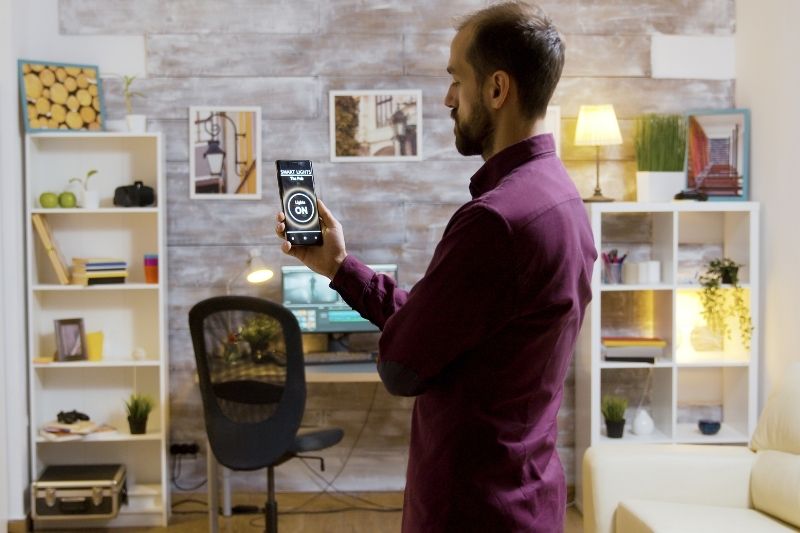
A smart home could automatically adjust lighting based on occupancy, regulate temperature according to preferences, notify homeowners about unusual activity and manage appliances remotely.
For technology companies, this creates an important shift.
The opportunity is no longer limited to selling a single device. Brands can participate in a wider ecosystem through hardware, software, connectivity, automation, integration and supporting services.
AI Is Making Smart Living More Intelligent
Artificial intelligence is becoming an important driver of the next phase of smart living.
AI allows connected devices to move beyond simple commands and respond more intelligently to user behaviour. Instead of simply switching a device on or off, intelligent systems can learn patterns, make recommendations and automate certain functions.
Examples include:
- AI-enabled home security that identifies unusual activity
- Appliances that adjust settings based on usage patterns
- Smart energy systems that optimise consumption
- Intelligent air-conditioning and climate-control solutions
- Voice and AI assistants that manage connected devices
- Personalised entertainment recommendations
For businesses, AI creates opportunities to differentiate products through smarter functionality, better user experiences and greater automation.
The key challenge is turning AI into something useful. Consumers are more likely to adopt intelligent technology when it provides a clear benefit—saving time, reducing energy consumption, improving security or making everyday tasks easier.
Smart Home Living Is Becoming More Practical
The early perception of smart homes was often associated with futuristic technology and premium gadgets. That is changing.
Smart home living is becoming increasingly practical and relevant to everyday needs.
Energy efficiency is one example. Smart lighting, connected thermostats, energy-monitoring systems and intelligent appliances can help households understand and manage consumption.
Security is another major area. Connected cameras, smart locks, video doorbells, sensors and access-control systems can provide homeowners with greater visibility and control.
Similarly, smart kitchen appliances can improve convenience through automation, remote monitoring and intelligent settings.
This broader utility can help expand smart technology beyond early adopters and into the mainstream consumer market.
Connectivity Is the Foundation
A smart living ecosystem is only as effective as the connectivity supporting it.
Wi-Fi networks, mesh systems, smart hubs, Bluetooth, IoT connectivity and other communication technologies play a critical role in allowing devices to interact reliably.
As households add more connected devices, demand for stronger and more seamless connectivity will continue to grow.
For technology businesses, this creates opportunities across the entire infrastructure behind smart living—not only in visible consumer devices but also in networking equipment, connectivity solutions, gateways, controllers and integration technologies.
This is an important distinction for businesses looking at the smart living market. The opportunity exists both inside the home and behind the connected home.
Home Entertainment Is Also Becoming Smarter
Smart living is not limited to security and automation. Entertainment is another major part of the connected home experience.
Smart TVs, streaming devices, immersive audio systems, gaming platforms, VR and AR technologies and multi-room entertainment solutions are changing how consumers interact with content.
The living room is increasingly becoming a connected entertainment environment rather than simply a space with a television.
For brands, this opens opportunities to develop products that combine better hardware, connectivity and immersive experiences.
As consumers become accustomed to integrated entertainment ecosystems, compatibility and ease of use will become increasingly important factors in purchasing decisions.
What This Means for Technology Businesses
The growth of smart living is creating opportunities across multiple parts of the consumer technology value chain.
For product manufacturers, it means developing devices that are more connected, intelligent and interoperable.
For component and technology providers, it creates demand for the hardware and technologies powering connected products.
For OEMs and manufacturing partners, the growth of connected consumer electronics creates new product development and production requirements.
For distributors and retailers, expanding smart home categories create opportunities to introduce new products to consumers and businesses.
For system integrators, the increasing complexity of connected ecosystems creates demand for expertise in installation, configuration and integration.
The market therefore extends far beyond the traditional smart-home device manufacturer.
The Importance of Interoperability
As the number of connected products increases, consumers do not want a home filled with devices that operate independently.
They want technology that works together.
Interoperability is therefore becoming a major consideration in smart home living. Compatibility between devices, platforms and ecosystems can directly influence purchasing decisions.
For manufacturers and technology providers, developing products that integrate smoothly with wider ecosystems can help improve usability and expand market potential.
This also creates opportunities for businesses that can bridge different technologies and deliver seamless connected experiences.
What Comes Next for Smart Living?
The next phase of smart living will likely be defined by greater intelligence, deeper integration and more practical automation.
Homes will increasingly use technology to anticipate needs rather than simply respond to commands. Energy management may become more automated. Appliances may become more adaptive. Security systems may become more intelligent. Entertainment may become more immersive.
At the same time, consumers will continue to expect technology to be easy to use, reliable and valuable.
For businesses, this means the opportunity is not simply to create another connected product.
It is to solve a real consumer problem through technology.
Conclusion
Smart living is evolving from a collection of connected gadgets into a broader technology ecosystem that touches almost every part of the modern home.
The strongest opportunities will belong to businesses that understand this shift and develop solutions around real consumer needs—whether that means improving security, reducing energy use, simplifying household routines or creating better connected experiences.
As smart home living becomes more mainstream, the market will need not only innovative products but also the technologies, partnerships, manufacturing capabilities, distribution networks and integration expertise required to bring them to consumers.
For businesses operating across consumer technology, the question is no longer whether homes will become smarter. The more important question is:
What role will your technology play in the connected home of tomorrow?